Tin tức

Tin tức

What Should You Know Before Choosing a Biogas Generator?

Abstract
A Biogas Generator can turn “problem gas” from farms, landfills, and wastewater plants into dependable electricity—if the system is designed around real-world fuel variability and on-site operating conditions. This guide focuses on the pain points buyers run into most often: unstable gas quality, corrosion, hard starts, low output, unexpected shutdowns, and confusing project economics. You’ll learn how a complete biogas power package is typically built, what to check in gas treatment and controls, how to size for your load, and what a practical maintenance plan looks like—so you can invest with confidence and avoid expensive downtime.


Table of Contents


Outline

  • Pinpoint the operational headaches that break payback plans
  • Understand which biogas properties matter most for stable power
  • Map the core components of a complete generator package
  • Design gas treatment to prevent corrosion, knock, and shutdowns
  • Size the set for real load behavior, not brochure numbers
  • Build a maintenance routine that prevents “mystery downtime”
  • Evaluate economics using uptime, efficiency, and maintenance realities
  • Use a practical procurement checklist and ask better questions

Why Biogas Power Projects Fail in Practice

Biogas Generator

On paper, biogas power looks almost unfairly simple: you already have gas, you already need electricity, and a Biogas Generator turns one into the other. In reality, most customer pain comes from a mismatch between the generator package and the fuel’s day-to-day behavior.

The most common frustrations buyers report

  • Unstable gas quality that causes fluctuating output, misfires, and alarms
  • Corrosion from hydrogen sulfide and moisture that shortens engine life
  • Hard starts after downtime, especially in cold weather or after digesters are disturbed
  • Low efficiency at part-load because the generator is oversized “just in case”
  • Downtime that is hard to diagnose due to weak sensors, limited data logging, or poor integration
  • Unexpected maintenance cost from filters, catalysts, lubricants, and spare parts not planned up front

If you want biogas power to feel “boring” (the best compliment in energy projects), your selection must be driven by fuel analysis, load profile, and service strategy—not just rated kW.


Biogas Basics That Directly Affect Generator Performance

Biogas is not a single, uniform fuel. Two sites can both call it “biogas” and still behave very differently at the engine. The Biogas Generator only performs as well as the fuel and conditioning allow.

Key biogas factors you should care about

  • Methane content: Higher methane generally means higher energy per cubic meter and more stable power.
  • Hydrogen sulfide (H2S): Drives corrosion and oil contamination. If unmanaged, it eats your budget.
  • Moisture: Causes condensation, corrosion, icing, and sensor failures.
  • Siloxanes (common in landfill gas): Can form abrasive deposits and damage components if not removed.
  • Gas pressure and flow stability: Pressure swings create unstable combustion and shutdown events.
  • Impurities and oxygen ingress: Can affect combustion behavior and safety strategy.

A smart purchase is not “a generator that can run on biogas.” It’s a Biogas Generator package with the right cleaning, mixing, controls, and monitoring for your gas.


What a Complete Biogas Generator System Includes

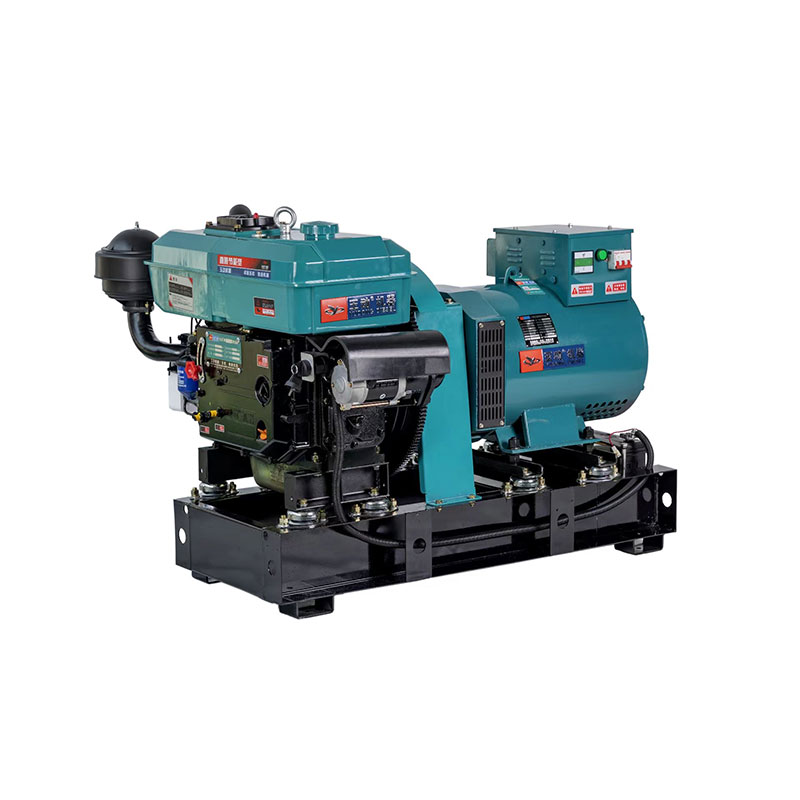
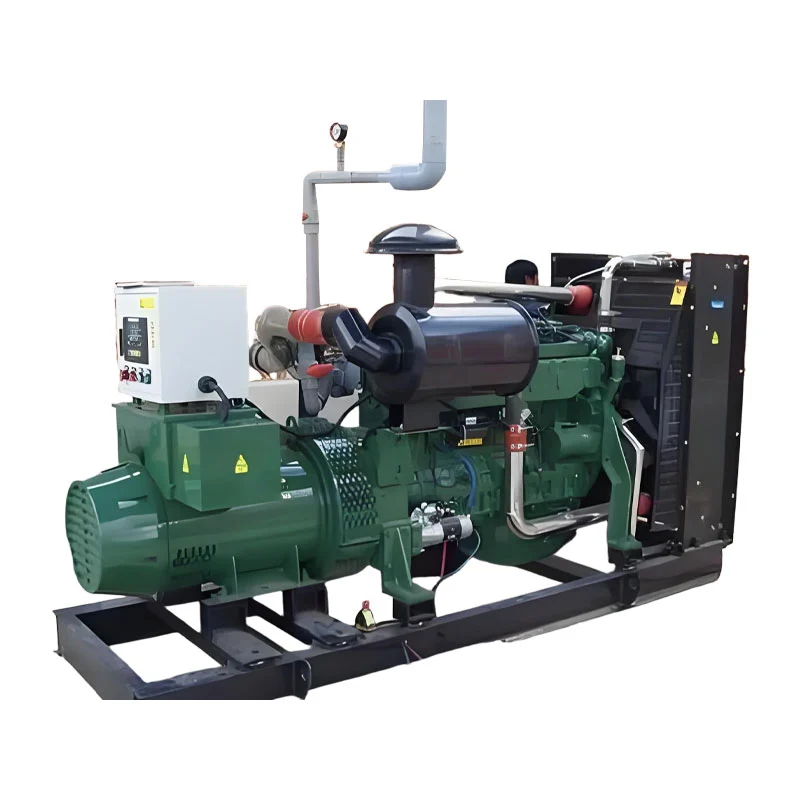
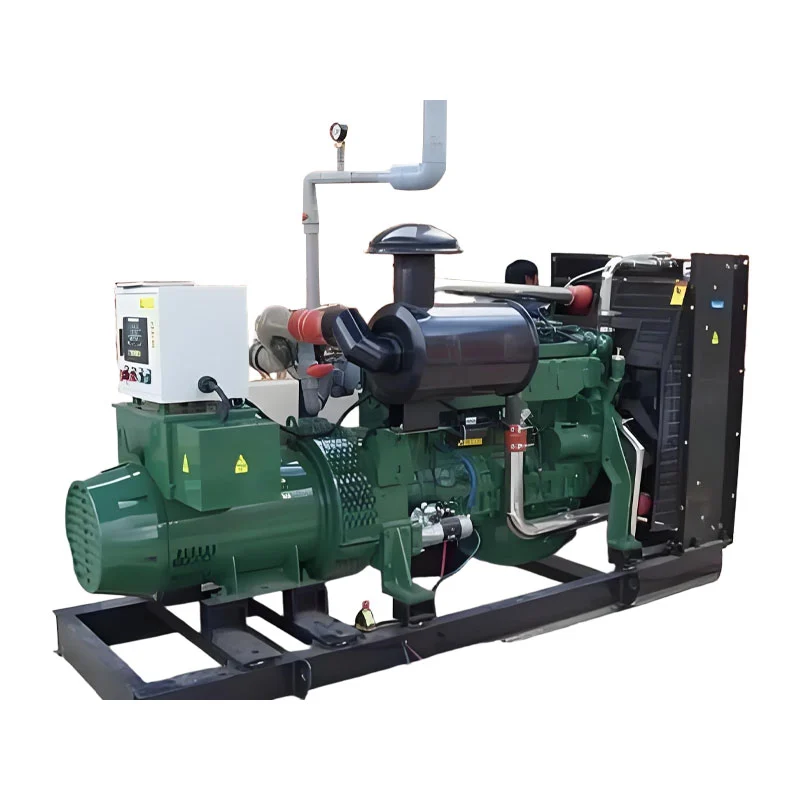
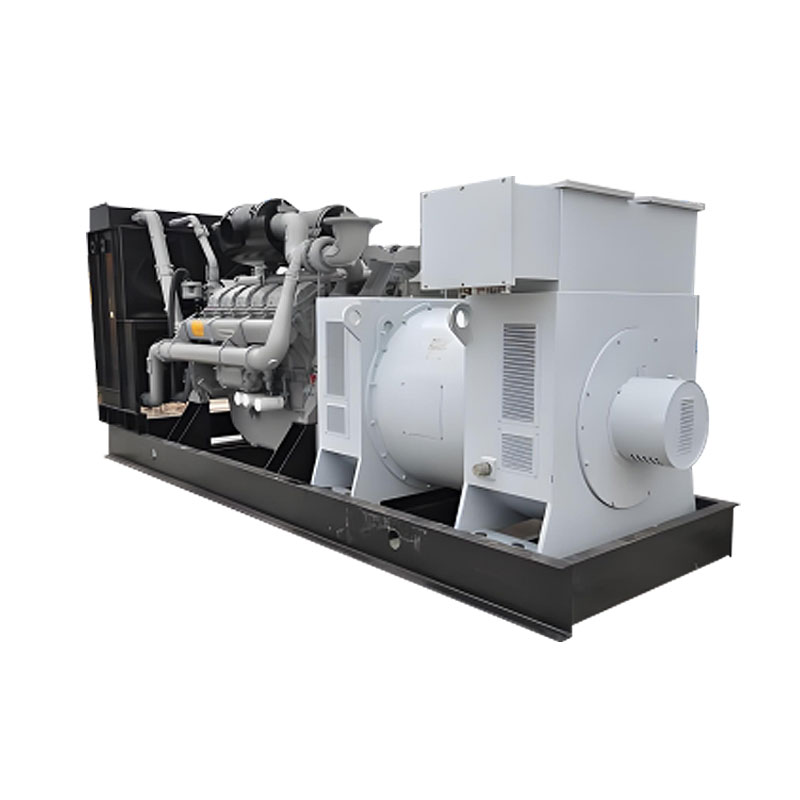
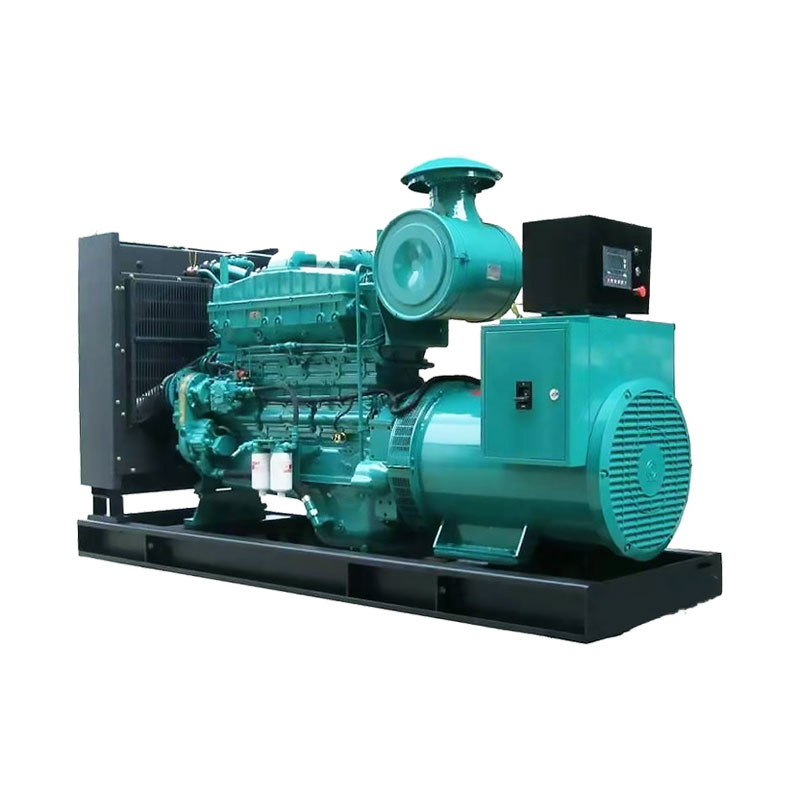
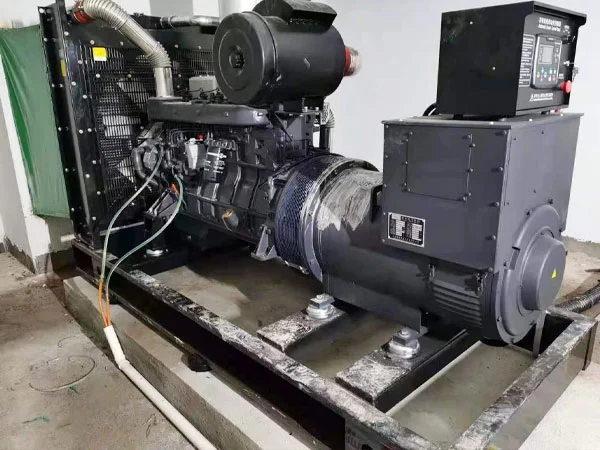
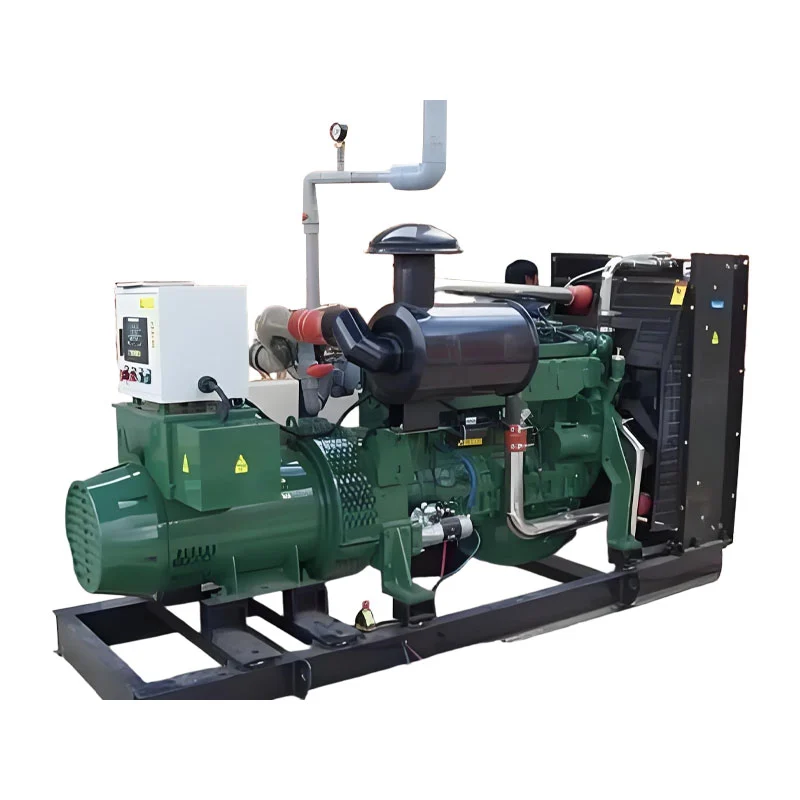
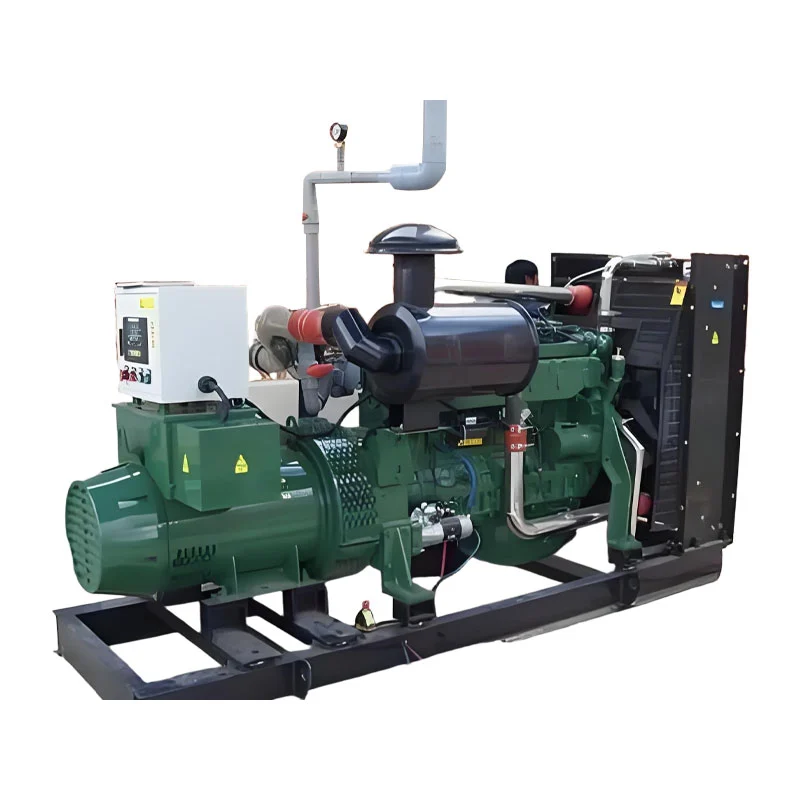
Many buyers focus on the engine and alternator, but project success usually depends on everything around them. A complete Biogas Generator system is typically an integrated set of modules designed to keep combustion stable and protect hardware from dirty gas.

Core building blocks

  • Power unit: Gas engine (or dual-fuel engine), alternator, and speed/governor system
  • Gas train: Regulators, shut-off valves, flame arrestor (as applicable), pressure sensors, safety interlocks
  • Air–fuel management: Mixer, throttle, and control logic that can handle methane swings
  • Ignition strategy: Tuned to the combustion characteristics of biogas to reduce misfire and knock risk
  • Cooling and heat management: Radiator system and thermal controls to maintain stable temperatures
  • Control system: Protection, synchronization (if grid-connected), alarms, data logging, and remote monitoring
  • Optional heat recovery: Using jacket water and exhaust heat for digester heating or facility needs

When these parts are matched well, the result is stable voltage and frequency, fewer nuisance trips, and fewer surprises during commissioning.


Gas Treatment and Conditioning

If your biogas is not treated correctly, even a premium engine will feel unreliable. Gas treatment is where you prevent corrosion, protect sensors, and keep combustion stable. In other words, gas treatment is how you protect uptime.

Typical treatment goals (and why they matter)

  • Reduce H2S to lower corrosion risk and extend oil and component life
  • Remove moisture to avoid condensation, corrosion, and cold-weather issues
  • Stabilize pressure so the engine doesn’t “hunt” and trip on protection thresholds
  • Filter particulates to protect valves, regulators, and sensitive instruments
  • Address siloxanes (if landfill gas) to prevent hard deposits and wear

Practical advice that saves money later

  • Design treatment capacity for peak impurity levels, not average weeks.
  • Install sensors where they are serviceable, and plan a calibration routine from day one.
  • Demand clear alarm logic: “what happened, why it happened, what to check first.”
  • Use data logging and trend charts to catch drift before it becomes a shutdown.

If you want your Biogas Generator to run smoothly through seasonal changes, digester feeding changes, or waste-stream variability, treat gas conditioning as a core part of the power plant—not an accessory.


How to Size a Biogas Generator for Your Real Load

Oversizing feels safe, but it often causes part-load inefficiency, wet-stacking style issues (in broader combustion systems), and unstable combustion in gas engines. Undersizing is worse: constant overload, overheating, and shortened service life. The goal is a Biogas Generator sized to the way you actually consume power.

Load questions you should answer first

  • Is the generator powering base load, peak shaving, or standby?
  • What is your minimum and maximum load during a normal day?
  • Do you have large motor starts or step loads that require extra transient capacity?
  • Will you run islanded, grid-parallel, or both?

Simple sizing guidance (conceptual)

  • Size for the most frequent operating range, not the rare maximum.
  • Plan for future expansion with modular capacity (multiple sets) if the load is expected to grow.
  • Use controls that can maintain stable output when methane content or pressure fluctuates.

Quick comparison table

Decision What it looks like Common consequence Better approach
Oversize one big unit Rated far above typical site load Lower efficiency, unstable operation at low load, more nuisance alarms Match typical load or use two smaller units for flexibility
Undersize Runs near max output all the time Higher wear, hotter operation, higher maintenance frequency Add margin for transients and growth, confirm cooling design
Ignore step loads Motor starts not considered Voltage dips, trips, startup failures Model starts and specify controls/governor response accordingly

Reliability

Reliability is not a marketing claim—it’s the result of protection logic, component quality, service access, and operator routines. For a Biogas Generator, reliability also depends heavily on how well you handle impurities, moisture, and gas swings.

Maintenance habits that prevent “mystery downtime”

  • Daily/weekly visual checks: leaks, condensate drains, abnormal vibration, unusual exhaust smell
  • Filter management: pressure drop monitoring and predictable replacement intervals
  • Oil analysis: early warning for sulfur impact, wear metals, and contamination
  • Sensor calibration schedule: especially for gas quality and pressure measurements
  • Remote monitoring: trend-based alerts are better than “it stopped” phone calls

The most dependable projects treat the generator as a small power plant, not a “set-and-forget” box. That mindset keeps your Biogas Generator operating hours high and your cost per kWh predictable.


Project Economics

Most biogas projects are sold on payback. The mistake is calculating payback using perfect-world assumptions: constant methane content, zero downtime, and minimal parts usage. Real economics come from how the system behaves in month three, month nine, and year three.

What to include in a realistic cost model

  • Uptime expectation: conservative estimates beat optimistic disappointment
  • Consumables: filters, desulfurization media, lubricants, spark/ignition components
  • Planned service windows: hours-based maintenance and operator labor
  • Unplanned events: allowance for gas upsets, sensor failures, or cleaning system issues
  • Heat utilization (if applicable): recovered heat can materially improve project value

If you do this right, the Biogas Generator stops being “a green idea” and becomes a financial asset with stable performance metrics.


Buyer Checklist Before You Sign

  • Gas report: methane %, H2S, moisture, siloxanes (if relevant), pressure range, flow range
  • Load profile: hourly kW pattern, step loads, future expansion assumptions
  • Operating mode: islanded, grid-parallel, or switching between both
  • Controls: alarms, data logging, remote access, clear fault diagnostics
  • Service plan: spare parts list, recommended inventory, maintenance intervals, training support
  • Site conditions: ambient temperature, altitude, ventilation, noise limits, space constraints
  • Integration scope: gas cleaning, heat recovery, electrical switchgear, commissioning responsibilities

A confident supplier should welcome these questions. If answers are vague, your future downtime probably won’t be.


Working With an Experienced Manufacturer


When you’re selecting a Biogas Generator, you’re not only buying a machine—you’re choosing a technical partner for commissioning, tuning, and long-term operation. Shandong Kecheng Electric Power Equipment Co., Ltd. provides biogas power solutions designed for practical site challenges like variable fuel quality, corrosion control, and stable output under changing conditions.

A strong manufacturer relationship typically means clearer configuration advice, better integration support, more actionable fault diagnostics, and a maintenance plan that matches your actual operating environment—so your biogas project stays reliable after the first startup celebration is over.


FAQ

Q: Can a Biogas Generator run reliably if methane content changes daily?
A: Yes—if the system includes proper air–fuel control, stable pressure regulation, and monitoring that detects fuel swings early. If controls are basic and gas conditioning is weak, methane variability often shows up as unstable output and nuisance shutdowns.

Q: What is the biggest hidden cause of corrosion in biogas power systems?
A: H2S combined with moisture. Even moderate H2S levels can become expensive when condensation is present, because it accelerates corrosion and contaminates lubricants.

Q: Is it better to buy one large generator or multiple smaller units?
A: Many sites benefit from multiple units because you can match output to demand, keep efficiency higher at part load, and maintain partial operation during service. The best choice depends on your load profile, space, and service strategy.

Q: Do I need heat recovery to make the project worthwhile?
A: Not always. Electricity-only projects can still pencil out, especially where power prices are high or grid reliability is low. Heat recovery can improve total value if you have a consistent use for the recovered heat (like digester heating).

Q: What should I request from suppliers during evaluation?
A: Ask for recommended gas treatment scope based on your gas report, a suggested sizing approach based on your load, and a maintenance/spares plan with clear intervals and expected consumables. The clarity of these answers often predicts your future operating experience.


Ready to Turn Waste Gas Into Reliable Power?

If you’re planning a new biogas project or troubleshooting an existing installation, the fastest way to reduce risk is to match the Biogas Generator configuration to your gas data, load profile, and operating goals. Tell us your site conditions and target output, and we’ll help you shortlist a practical solution you can run with confidence—contact us to get a proposal and technical consultation.

Tin tức liên quan
Để lại cho tôi một tin nhắn
X
Chúng tôi sử dụng cookie để cung cấp cho bạn trải nghiệm duyệt web tốt hơn, phân tích lưu lượng truy cập trang web và cá nhân hóa nội dung. Bằng cách sử dụng trang web này, bạn đồng ý với việc chúng tôi sử dụng cookie. Chính sách bảo mật
Từ chối Chấp nhận